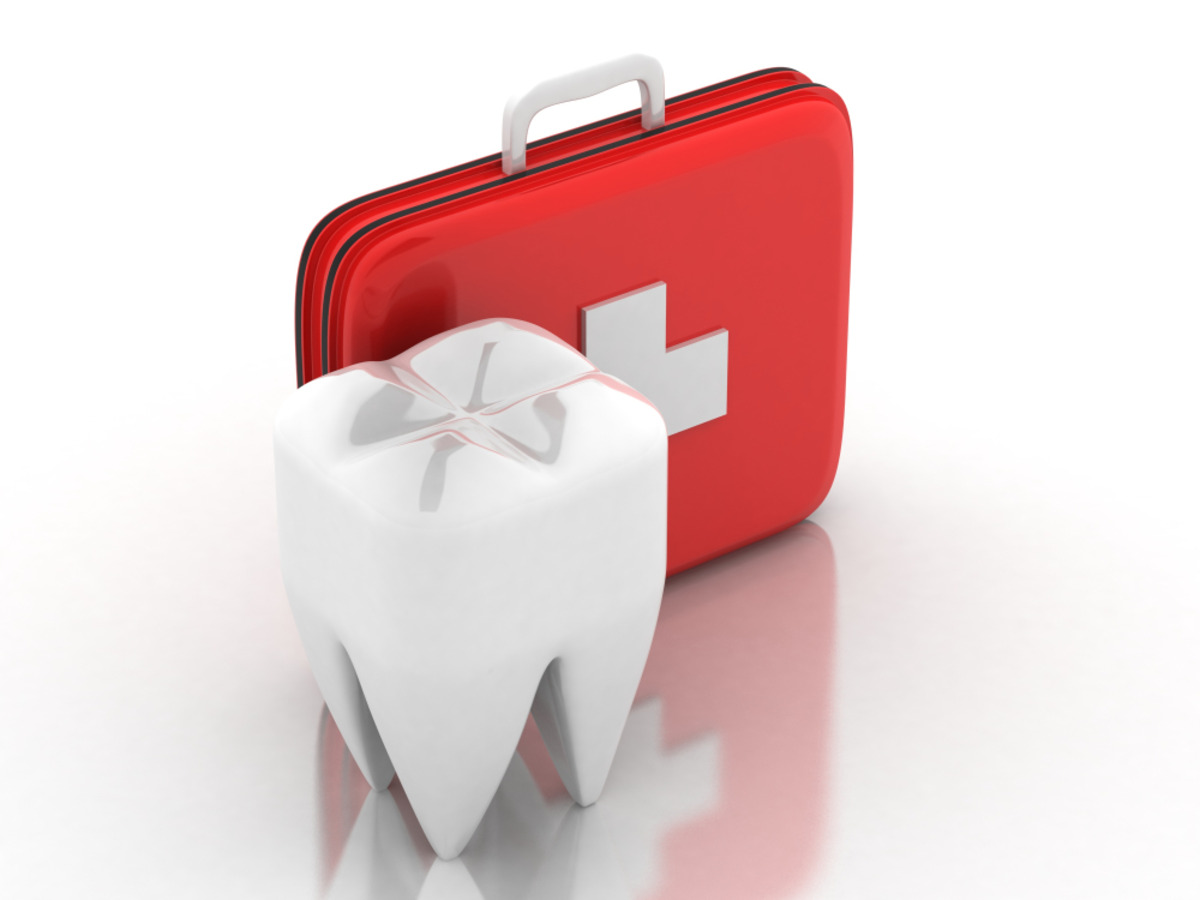
What should you do if a dental problem happens at the worst possible time? Dental issues can occur during dinner, late at night, or on a weekend. Being prepared helps you manage pain, protect your teeth, and stay calm until you can see an emergency dentist in Calgary SE. A simple at-home dental first-aid kit can make a big difference when a problem starts suddenly.
In this guide, we will learn which kits matter, which items should stay at home, and how to use them safely in everyday situations. We want you to keep calm, act quickly, and protect your smile.
Why is an At-Home Dental First Aid Kit Important?
Dental pain or injury often requires urgent action. Don’t wait too long, as it may aggravate the issues. A dental emergency kit at home is a real help:
- Control pain and swelling
- Protect a broken or loose tooth.
- Stop minor bleeding
- Prevent infection until professional care is available.
It does not replace a dentist, but it helps you manage the situation safely.
What to Include in a Dental First Aid Kit
Understanding what goes into a dental first-aid kit plan can help you avoid excessive planning. Keep items clean, closed, and easily accessible.
Essential Items At Home
- Gauze pads that absorb fluids
- balls of cotton or dental rolls
- Single-use gloves.
- a tiny torch of sorts
- Tweezers (clean and blunt-tipped).
Having these basics in your exterminator’s toolbox ensures your vision is clear and not obstructed by debris.
Items for Tooth Pain and Sensitivity
Tooth pain can come on suddenly, which is why the emergency tooth pain home kit is so helpful.
Include:
- Apply clove oil or toothache gel (a smear amount).
- Pain relievers that don’t require a prescription.
- An ice pack or cold pack.
- Packets of salt for a warm salt rinse.
These products reduce pain and swelling without harming you.
Supplies for Broken, Chipped, or Lost Teeth
Dental injuries need gentle care. This is where dental injury preparedness tips matter most.
Add these items:
- Dental wax (to cover sharp edges)
- Temporary dental cement (from a pharmacy)
- Small container with lid (for a knocked-out tooth)
- Saline solution or clean water
Never scrub a tooth or use glue. Proper handling protects the tooth until treatment.
How to Handle Common Dental Emergencies at Home
Toothache
- Gargle warm saline solution.
- Place a cold pack or a cold cloth on the cheek.
- Avoid chewing on that side.
Until you can reach an emergency dentist near you, this will reduce swelling.
Chipped or Broken Tooth
- Rinse gently with water.
- Save broken pieces if possible.
- Cover sharp edges with dental wax.
Avoid hard foods and hot drinks.
Knocked-Out Tooth
- Hold the tooth by the crown, not the root.
- Rinse gently if dirty.
- Place it in milk or saline.
Seek dental care immediately—time matters.
Bleeding Gums or Injury
- Apply gentle pressure with gauze.
- Keep the head raised
- Avoid rinsing for a few minutes.
If bleeding does not stop, get professional help.
Where to Store Your Dental First Aid Kit
Your kit should be:
- Easy to reach
- Stored at room temperature
- Away from moisture
Keep it in the bathroom cabinet or a kitchen drawer. Let family members know where it is.
How Often Should You Check Your Kit?
Check your kit every 6 months. Replace:
- Expired medications
- Used gauze or gloves
- Dried-out dental cement
A fresh kit works better in emergencies.
When is Home Care Not Enough?
A first aid kit helps manage symptoms, but some problems need urgent care, such as:
- Severe swelling
- Ongoing bleeding
- Fever with tooth pain
- Trauma to the jaw or face
In these cases, home care should only be a short step before seeing a dentist.
Take the Smart Step Before an Emergency Happens!
Do you want to have peace of mind when facing unforeseen dental issues? You can be ready when a problem arises and protect your family’s smiles, staying calm. If you need urgent care and professional advice, book an appointment at Inglewood Family Dental Emergency for reliable help today.
FAQs
What is the most essential item in a dental first aid kit?
Sterile gauze is one of the most important items because it helps stop bleeding, keeps the mouth clean, and protects injured areas. It is helpful for tooth injuries, gum cuts, and swelling until you get dental care.
Can a dental first aid kit fix a tooth problem?
No. A dental first-aid kit cannot resolve the problem, but it helps manage pain, control bleeding, and protect the tooth. It provides temporary relief until a dentist can properly treat the issue.
Is dental wax safe to use at home?
Yes. Dental wax is safe for short-term use and helps cover sharp or broken tooth edges. It prevents cuts on the tongue or cheeks and improves comfort until professional care is available.
Should kids have a dental first-aid kit, too?
Yes. Children are more likely to fall, play roughly, or chip a tooth. Having a dental first-aid kit at home helps parents respond quickly and reduce pain or damage right away.