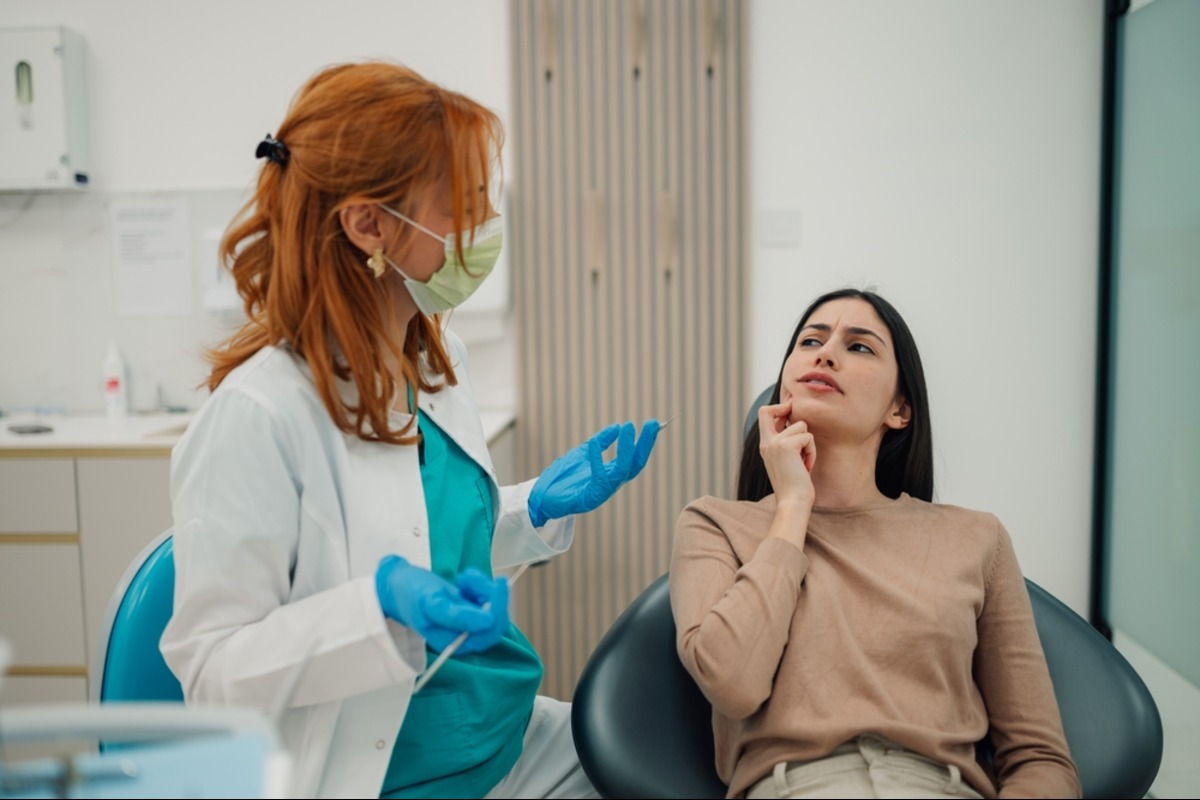
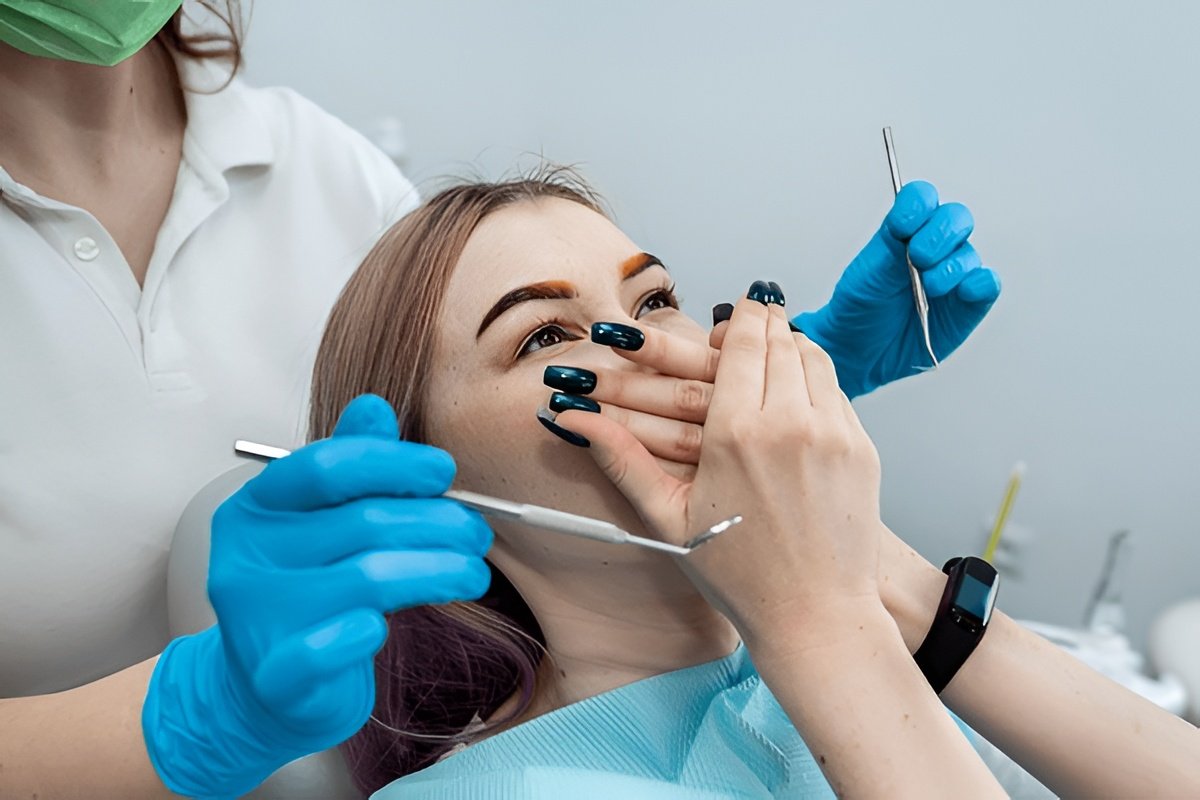
Is facial swelling normal after dental treatment? Facial swelling can sometimes happen after dental procedures. Treatments like tooth extractions, gum treatments, or root canals may cause temporary swelling while the body heals. If the swelling seems unusual or gets worse, visiting an emergency dental clinic in Calgary SE can help make sure everything is healing properly.
In most cases, swelling is a normal response after dental work. The body sends extra blood and fluids to the area to repair tissues. Understanding the possible swelling after a dental procedure and knowing how to care for the area can make recovery smoother and more comfortable.
Why Does Facial Swelling Occur After Dental Treatment?
After a dental procedure, the body begins a natural healing process. During this stage, the tissues around the treated area may become slightly swollen. This reaction is part of managing post-dental surgery inflammation, which helps the body repair itself.
Common swelling after a dental procedure may include:
- Tooth removal or oral surgery
- Deep cleaning procedures that affect the gums
- Root canal therapy
- Placement of dental implants
- Minor irritation from dental instruments
Swelling usually starts within a few hours after treatment and may increase slightly during the first one or two days.
What Level of Swelling Is Considered Normal?
Mild swelling after dental treatment is common and usually not a cause for concern. The body needs time to heal, and some puffiness around the cheek or jaw can occur.
Normal swelling may include:
- Slight puffiness near the treated tooth
- Mild tenderness in the jaw or cheek
- Light discomfort when chewing
- Swelling that slowly improves over a few days.
These symptoms usually reduce as healing progresses.
How to Reduce Dental Swelling at Home
There are simple steps patients can take to ease discomfort and help the body heal faster. Following the right tips for how to reduce dental swelling can make recovery easier.
Helpful steps include:
- Use a cold pack: Put an ice pack on the outside of your cheek for about 15 minutes. This can help reduce swelling.
- Get plenty of rest: Try to relax and avoid heavy exercise or activities that increase blood flow to your face.
- Sleep with your head up: Keep your head slightly raised with a pillow while sleeping. This helps reduce swelling.
- Take medicine if needed: Use pain medicine or other medication only if your dentist recommends it. This can help reduce pain and discomfort.
- Avoid touching the treatment area: Pressing or poking the swollen area may slow healing.
These simple habits help the body recover while keeping inflammation under control.
Choosing the Right Foods During Recovery
What you eat after dental treatment can affect how quickly swelling improves. Soft foods are easier to chew and prevent pressure on the healing area.
Patients who visit an emergency dental clinic near you are often encouraged to follow a gentle diet during the first few days after treatment.
Good food choices include:
- Yogurt or smoothies
- Mashed vegetables or potatoes
- Soft scrambled eggs
- Warm soups that are not too hot
- Soft fruits such as bananas
Foods that are hard, crunchy, or very spicy should be avoided because they may irritate the healing tissues.
Managing Post-Dental Surgery Inflammation
Inflammation is the body’s way of protecting and repairing tissues. While it may cause swelling and mild discomfort, it is a normal part of healing. Proper care is important for managing post-dental surgery inflammation effectively.
Helpful recovery habits include:
- Keeping your mouth clean
- Brushing gently around the treated area
- Avoiding smoking or alcohol during healing
- Following all instructions given after treatment
- Returning for follow-up visits if recommended
These steps help reduce the chance of infection and support faster healing.
When Swelling After Dental Treatment May Be Serious
Although most swelling improves within a few days, certain symptoms may signal a problem. Knowing when swelling after dental treatment is serious helps patients seek help at the right time.
Warning signs may include:
- Swelling that continues to increase after several days
- severe pain that does not improve with medication
- Difficulty opening the mouth fully
- Fever or feeling unwell
- Trouble swallowing or breathing
- Unusual discharge or signs of infection
If these symptoms occur, it is important to contact an emergency dental clinic near you for professional care.
How Long Does Swelling Usually Last?
Swelling after dental work usually follows a predictable pattern. It may start within the first few hours after treatment and reach its highest point within about two days.
After this stage, swelling generally begins to decrease gradually. Most patients notice significant improvement within three to five days, although healing times may vary depending on the type of dental procedure.
If swelling continues beyond a week or becomes more painful instead of improving, a dental checkup may be needed.
Tips to Prevent Severe Swelling After Dental Treatment
Some swelling is inevitable, but following the right care instructions can limit the chances of serious swelling.
Helpful prevention tips include:
- Following all aftercare instructions carefully
- Not smoking during recovery.
- Administering medications as scheduled.
- Keeping your mouth clean and soft.
- Drinking and eating well with soft foods.
By following these instructions, you’ll protect the treated area and promote healing.
Get Prompt Care If Symptoms Do Not Improve!
Swelling after dental treatment is often part of the healing process, but monitoring your symptoms is important. Knowing how to manage swelling and when to seek help can prevent complications and protect your oral health.
If you experience unusual discomfort or persistent swelling, the team at Inglewood Family Dental Emergency is ready to help. Contact today for immediate care and guidance to restore your comfort and oral health.
FAQs
Can ice help reduce facial swelling?
Yes. Applying a cold compress to the cheek during the first 24 hours can help reduce swelling and ease discomfort.
When should swelling be checked by a dentist?
Swelling should be evaluated if it becomes severe, lasts longer than several days, or is accompanied by fever or difficulty swallowing.
Should I continue brushing my teeth after dental treatment?
Yes, but brushing should be done gently. Avoid direct pressure on the treated area until it has healed.
Can swelling affect speaking or chewing?
Some swelling may cause mild discomfort when talking or chewing. This usually improves as the inflammation decreases.